How To Grow And Care For The Blue Hydrangea
Introduction
Blue hydrangeas are a popular choice for gardeners because of their beautiful blooms. However, they can be a bit tricky to grow. In this blog post, I will share some tips on how to grow and care for blue hydrangeas so that you can enjoy their beauty for years to come.
Main Content
Choosing the right location
The first step to growing blue hydrangeas is to choose the right location. Blue hydrangeas prefer partial shade, so avoid planting them in full sun. They also need well-drained soil. If your soil is alkaline, you will need to add some acidifying material, such as peat moss or sulfur, to lower the pH.
Planting
Once you have chosen the right location, you can plant your blue hydrangeas. Dig a hole that is twice as wide and as deep as the root ball of the plant. Add some compost or other organic matter to the bottom of the hole. Place the plant in the hole and backfill with soil. Water the plant well.
Watering
Blue hydrangeas need regular watering, especially during the first year after planting. Water the plants deeply once a week, or more often if the weather is hot and dry.
Fertilizing
Blue hydrangeas should be fertilized in early spring and again in late summer. Use a fertilizer that is high in nitrogen and potassium. Avoid fertilizers that are high in phosphorus, as this can make the flowers pink.
Pruning
Blue hydrangeas do not need to be pruned heavily. However, you should remove any dead, diseased, or damaged branches in the spring. You can also prune the plants to keep them in shape.
Overwintering
In most climates, blue hydrangeas do not need to be protected from the winter. However, if you live in an area with cold winters, you may want to mulch the plants around the base to protect the roots.
Troubleshooting
If your blue hydrangeas are not blooming, there are a few things you can check. Make sure the plants are getting enough sunlight. If the leaves are turning yellow, the plants may need more fertilizer. If the flowers are pink, the soil may be too alkaline.
Conclusion
With a little care and attention, you can enjoy beautiful blue hydrangeas for years to come. Just remember to choose the right location, water the plants regularly, fertilize them in the spring and summer, and prune them as needed.
Hydrangea macrophylla blue is a beautiful and popular flowering shrub that is native to Japan. It is known for its large, showy blooms that can range in color from blue to pink to white. Hydrangea macrophylla blue is a relatively easy plant to grow, but it does best in moist, well-drained soil and dappled shade.
If you are interested in learning more about hydrangea macrophylla blue, I recommend visiting . This website has a wealth of information about the plant, including its history, cultivation, and care. You can also find photos of different hydrangea macrophylla blue cultivars, as well as tips on how to select the right plant for your garden.
FAQ of hydrangea macrophylla blue
Q: Why are my hydrangeas blue?
A: The color of hydrangea flowers is determined by the acidity of the soil. In acidic soil (pH of 5.5 or lower), hydrangeas will produce blue flowers. In neutral to alkaline soil (pH 6.5 and higher), hydrangeas will produce pink flowers. If you want to keep your hydrangeas blue, you can add aluminum sulfate to the soil.
Q: How do I keep my hydrangeas blue?
A: There are a few things you can do to keep your hydrangeas blue:
- Add aluminum sulfate to the soil. This will lower the pH of the soil and make it more acidic.
- Water your hydrangeas with rainwater or distilled water. This will help to keep the pH of the soil consistent.
- Avoid using fertilizers that contain alkaline minerals. These can raise the pH of the soil and cause your hydrangeas to turn pink.
- Mulch around your hydrangeas with pine needles or oak leaves. This will help to acidify the soil and keep your hydrangeas blue.
Q: What are some other factors that can affect the color of hydrangea flowers?
A: In addition to the acidity of the soil, the color of hydrangea flowers can also be affected by:
- The amount of sunlight the plant receives. Hydrangeas that receive more sunlight will tend to produce pink flowers.
- The age of the plant. Younger hydrangeas will often produce blue flowers, while older plants may produce pink flowers.
- The variety of hydrangea. Some varieties of hydrangea are more likely to produce blue flowers than others.
Q: How do I care for hydrangea macrophylla blue?
A: Hydrangea macrophylla blue is a relatively easy plant to care for. Here are some tips:
- Plant hydrangeas in full sun to partial shade.
- Water hydrangeas regularly, especially during hot, dry weather.
- Fertilize hydrangeas in the spring with a balanced fertilizer.
- Deadhead spent blooms to encourage new growth.
- Protect hydrangeas from frost in the winter.
Q: What are some pests and diseases that can affect hydrangea macrophylla blue?
A: Hydrangea macrophylla blue is susceptible to a few pests and diseases, including:
- Aphids
- Japanese beetles
- Leaf spot
- Powdery mildew
If you see any signs of pests or diseases, it is important to treat them immediately. There are a number of organic and chemical treatments available.
Image of hydrangea macrophylla blue
5 different images of "hydrangea macrophylla blue" from Pinterest:
- Image 1: A large, lush hydrangea macrophylla bush with blue flowers. The flowers are in full bloom and are a deep, vibrant blue. The bush is surrounded by green foliage.

- Image 2: A close-up of a single hydrangea macrophylla flower. The flower is a deep blue color and has a delicate, cascading shape. The petals are slightly ruffled and there are a few yellow stamens in the center of the flower.

- Image 3: A row of hydrangea macrophylla bushes in full bloom. The bushes are planted in a garden and are surrounded by other flowers and plants. The flowers are a deep blue color and are in full bloom.

- Image 4: A hydrangea macrophylla bush in a pot. The bush is planted in a large pot and is surrounded by other potted plants. The flowers are a deep blue color and are in full bloom.
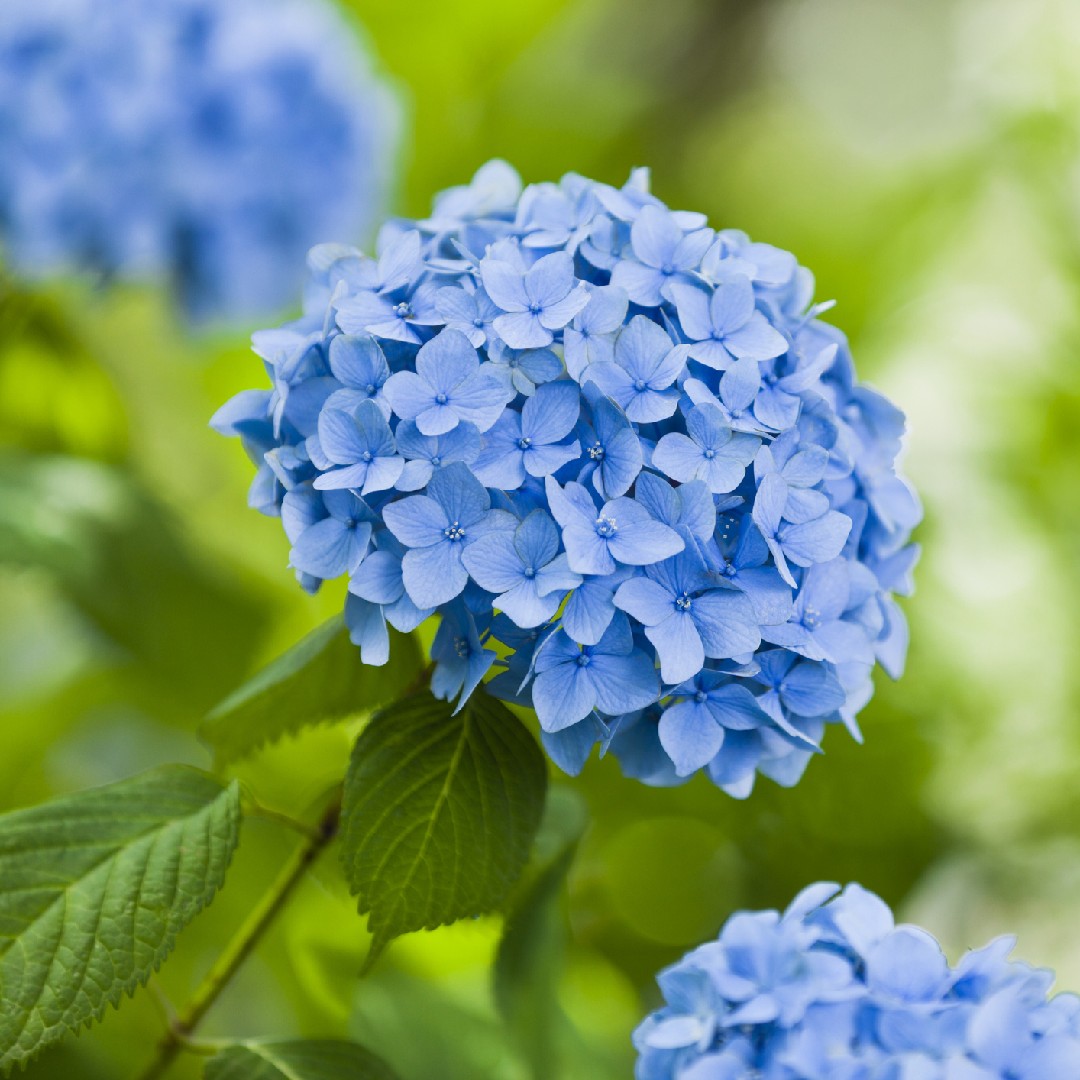
- Image 5: A hydrangea macrophylla flower in a vase. The flower is a deep blue color and is surrounded by other flowers in the vase. The petals are slightly ruffled and there are a few yellow stamens in the center of the flower.


Post a Comment for "How To Grow And Care For The Blue Hydrangea"